


Newsletter
Mini Newsletter with important dates for August and Sept

Photo Gallery
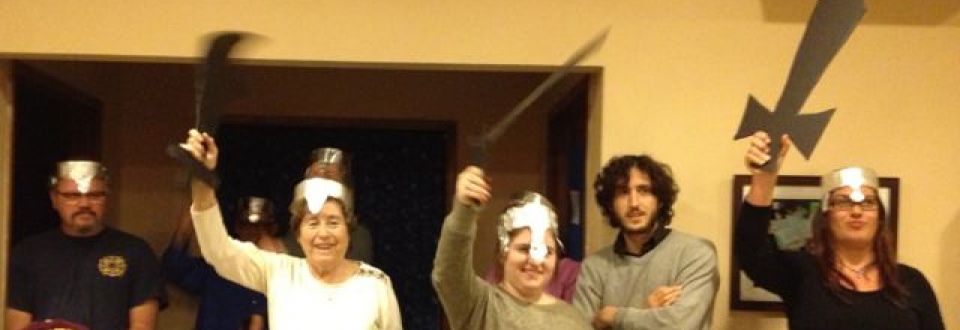
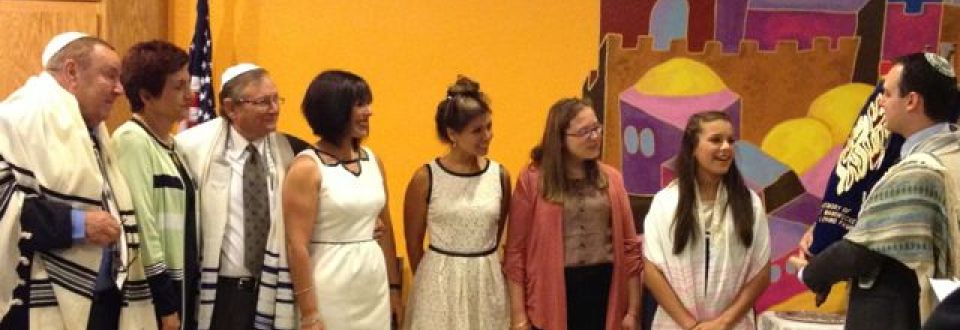
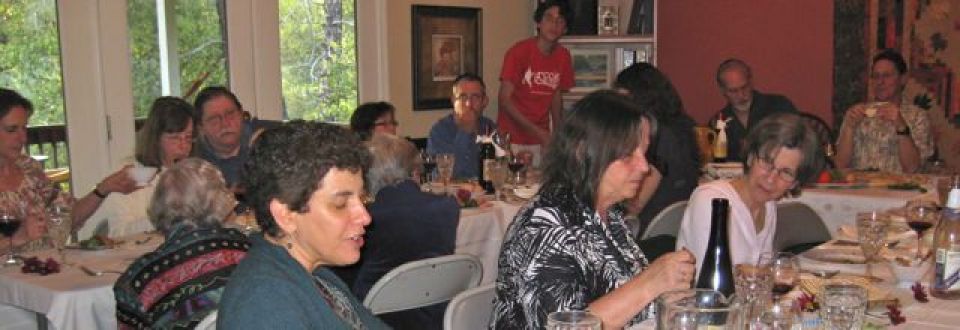
Take a look at different events, occasions, and ‘happenings’ here at our synagogue. Our Mitzvah Day celebrations, Tikkun Olam, simchas and special occasions!
Book Club
We are looking to restart the TBI book club. In the past, the group met bi-monthly in various members’ homes for thought provoking, often lively, conversations. The books read variy- from fiction to poetry, but all revolve around a Jewish theme. Stay tuned for more information!
Bet Sefer
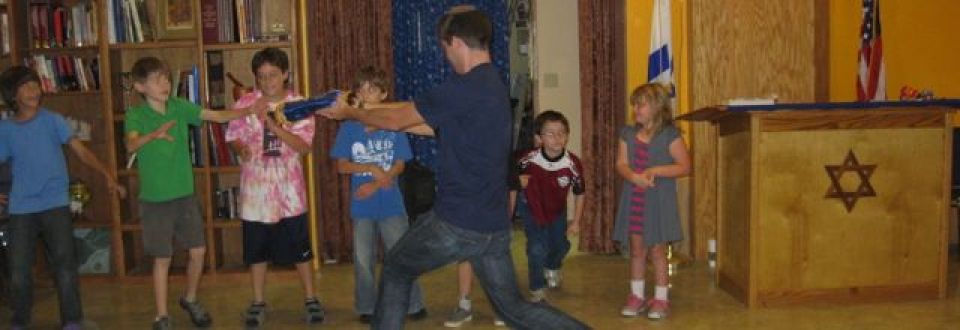
Our Bet Sefer* aka Sunday School, is currently seeking more families interested in reviving the program. Our Bet Sefer has long been a place where children K-7th grade could learn about Jewish traditions, customs, and holidays, as well as learning to read Hebrew. It is open to all children K-8. *Bet Sefer literally means, Home of the book.
Social Action
Fulfilling the mitzvah of tikkun olam, repairing the world, our community donates to a number of local and international causes.
Temple Beth Israel is a friendly, diverse, welcoming community in True northern California: we come from many streams of Judaism and many different backgrounds.
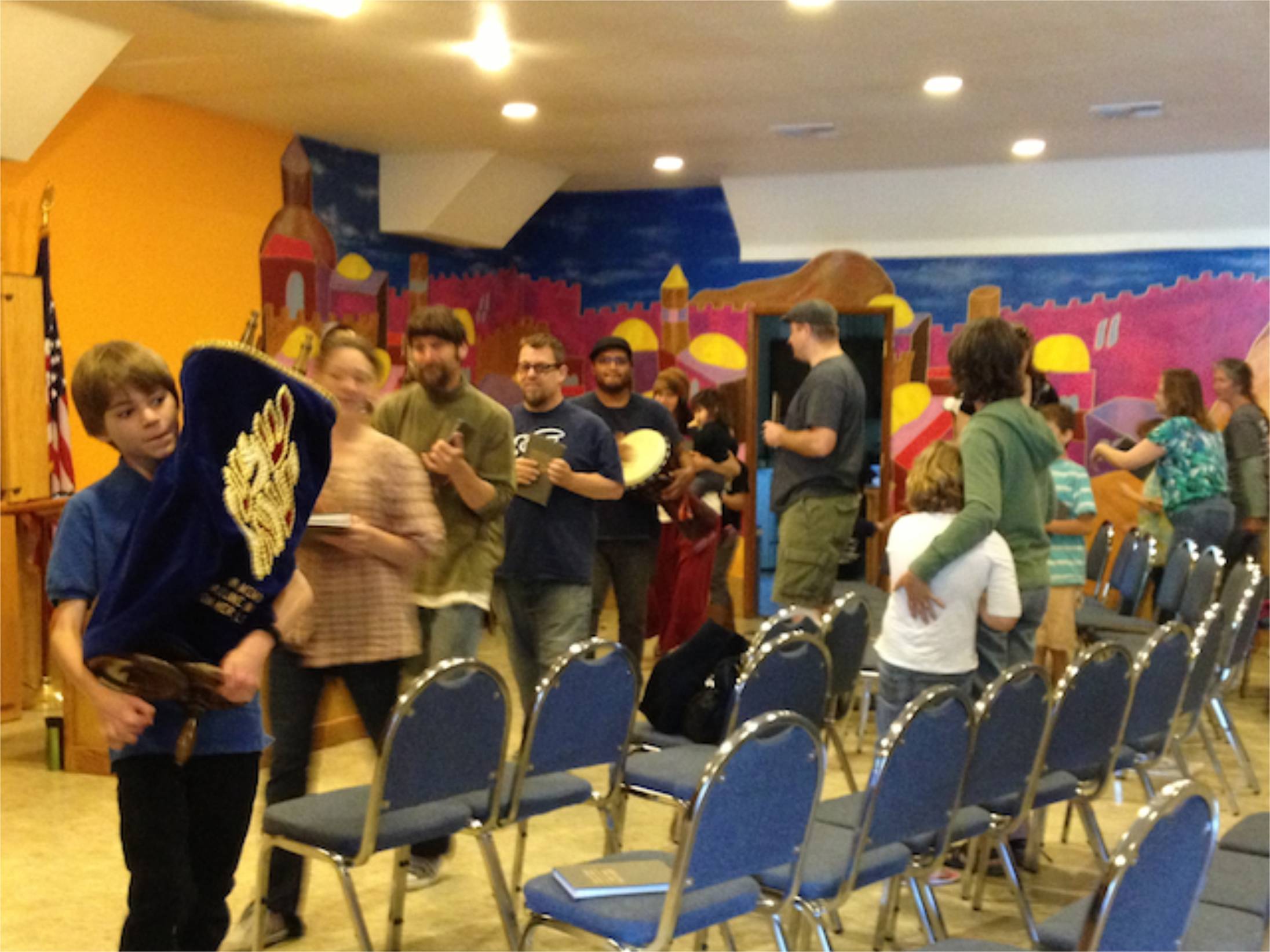 We want to build a community based on inclusiveness, where everyone is welcome, regardless of age, marital status, sexual orientation, a Jew by birth or by choice.
We value the qualities that make each of divine, each of us unique.
We are small which means while we lack many of the things that larger congregations take for granted, what we do have is:
- a sense of family – we know each other by name
- involvement in our community – many of our members jump in with both feet into some aspect
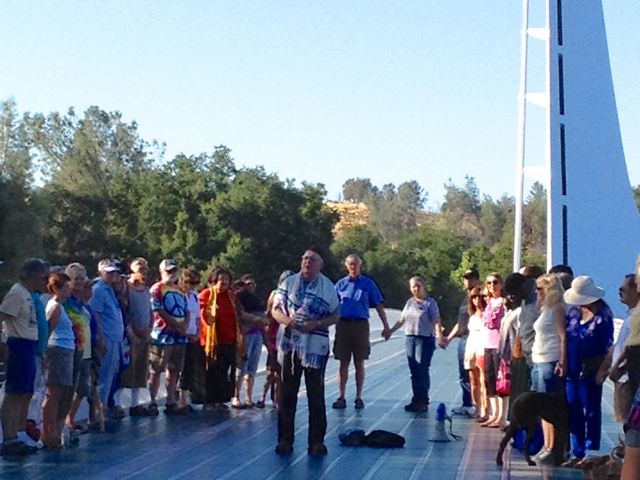 of TBI life
 - Acceptance – we accept members for who they are, no matter how they identify, who they love, or the color of their skin. If you identify as Jewish – or want to – are in love with someone Jewish, we welcome you!
- tolerance – as a small minority in our community we reach out and engage our non-Jewish neighbors and they to us as we explore areas of commonality and share traditions
- intimacy with our rabbi – our rabbi is not some distant figure whose hand you shake as you leave services, you can schmooze over baklava at an Oneg, join in an animated Torah study, or you and can even have the rabbi over for dinner!
- humor – we’re Jewish, what else would you expect!
Temple Beth Israel is an outpost of Judaism in Shasta county: a place where you and your family can build a strong Jewish identity.